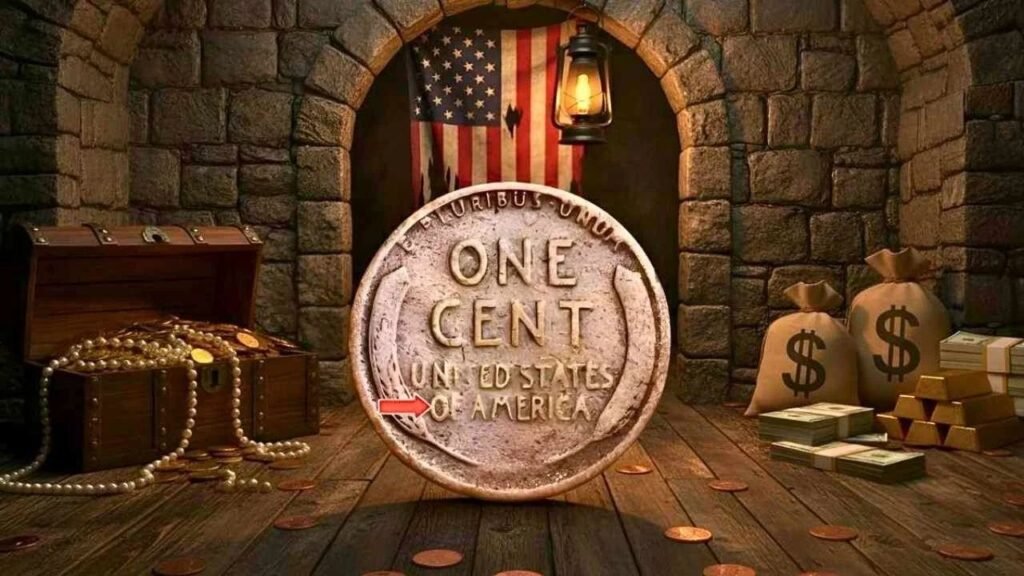
In an age dominated by digital wallets and instant payments, physical currency still holds a surprising secret: some coins in circulation are worth life-changing sums. The U.S. rare coin market continues to thrive in 2026, fueled by global collectors, institutional investors, and a growing demand for tangible historical assets.
Among thousands of known varieties, three U.S. coins consistently stand out for their rarity, historical importance, and extraordinary auction performance. These are not ordinary collectibles—they are numismatic landmarks that define the upper tier of the market.
The 1943 Copper Penny: A Wartime Mistake Worth a Fortune

The 1943 Copper Penny is one of the most famous minting errors in American history. During World War II, the U.S. Mint switched penny production from copper to zinc-coated steel to preserve copper for military equipment. However, a small number of copper planchets from the previous year accidentally entered production.
The result was a handful of copper pennies struck in a year when none should exist.
Why collectors value it so highly
- Composition: 95% copper
- Estimated surviving examples: Fewer than 40
- 2026 market value: $100,000 to $250,000+ depending on condition
What makes this coin especially desirable is its combination of wartime history and extreme scarcity. It represents a moment where industrial urgency met human error, creating one of the most sought-after error coins in numismatics.
Because of its fame, counterfeits are common. Many steel pennies are altered or plated to mimic copper versions, so authentication through professional grading and metal analysis is essential before purchase.
In top condition, verified examples regularly achieve six-figure auction results, placing it firmly among elite U.S. collectibles.
The 1955 Doubled Die Penny: A Visible Error with Massive Demand
Unlike subtle mint errors that require magnification, the 1955 Doubled Die Lincoln Cent is famous because its mistake is immediately visible to the naked eye.
A misalignment during the hubbing process caused dramatic doubling on the obverse design, making key inscriptions appear clearly duplicated.
Defining characteristics
- Strong doubling on “LIBERTY” and “IN GOD WE TRUST”
- Noticeable date doubling
- Estimated surviving population: Several thousand
Market value in 2026
- Lower circulated grades: $1,000+
- High-grade Mint State examples: $20,000 to $50,000+
This coin remains one of the most recognizable error varieties in U.S. coinage history. Its appeal lies in accessibility—collectors can still find lower-grade examples—combined with strong demand for pristine, high-grade specimens.
As a result, it continues to be a cornerstone piece for collectors building serious numismatic portfolios.
The 1913 Liberty Head Nickel: The Ultimate Numismatic Legend
If rarity alone defined value, the 1913 Liberty Head Nickel would sit at the very top of American coin collecting.
Only five examples are known to exist, and the coin was never officially authorized for production. Its origin remains partially mysterious, adding to its legendary status among collectors and historians alike.
What makes it extraordinary
- Known specimens: Only 5
- Composition: 75% copper, 25% nickel
- 2026 estimated value: $3 million to $5 million+
Each known example has a documented ownership history, often passing through elite private collections and high-profile auctions. Every appearance on the market attracts global attention and competitive bidding from ultra-high-net-worth collectors.
This coin represents the peak of exclusivity in numismatics. Ownership is not just rare—it is historically significant.
Rare Coin Value Snapshot (2026)
| Coin | Key Feature | Estimated Value |
|---|---|---|
| 1943 Copper Penny | WWII mint error | $100,000 – $250,000+ |
| 1955 Doubled Die Penny | Visible doubling error | $20,000 – $50,000+ |
| 1913 Liberty Head Nickel | Only five known | $3,000,000 – $5,000,000+ |
Why Condition Determines Everything in Rare Coins
In modern numismatics, condition is often the difference between a valuable collectible and a world-class asset.
Coins are graded on a 1–70 scale by professional services, and even small differences in grade can lead to massive price gaps.
What top collectors look for
- Strong original luster
- Sharp design details
- Minimal surface marks
- Clean, natural surfaces without cleaning or alteration
High Mint State grades (MS65 and above) can multiply value significantly. For ultra-rare coins like the 1913 Liberty Head Nickel, condition differences can represent millions of dollars in price variation.
Market Trends in 2026: Why Rare Coins Remain Strong
The rare coin market continues to perform steadily in 2026, supported by a mix of historical interest and modern investment demand.
Key market drivers include:
- Increasing global participation in auctions
- Growing interest in tangible alternative assets
- Strong demand for certified high-grade coins
- Continued fascination with historic mint errors
Rare coins are now often viewed alongside fine art, luxury watches, and collectible automobiles as part of diversified wealth portfolios.
Their appeal lies in their limited supply, portability, and deep historical value.
Smart Collecting Strategies for Serious Buyers
Entering the rare coin market requires discipline and knowledge rather than speculation.
Experienced collectors follow a few core principles:
Prioritize authentication
Always rely on third-party grading to confirm authenticity and protect long-term value.
Focus on quality over quantity
One exceptional coin often outperforms a large group of average pieces.
Study verified auction results
Real market data is more reliable than online hype or unverified claims.
Preserve condition carefully
Never clean coins. Proper storage in protective holders preserves value over time.
Understand rarity cycles
Coins tied to key historical events or limited minting errors tend to hold stronger long-term demand.
More Than Metal: The Historical Value Behind the Coins
These three coins are not just financial assets—they are physical connections to defining moments in American history.
The 1943 Copper Penny reflects wartime urgency and industrial adaptation.
The 1955 Doubled Die Penny captures a striking production mistake that became iconic.
The 1913 Liberty Head Nickel represents mystery, exclusivity, and numismatic legend.
Each coin tells a story that extends far beyond its metal content or market price.
Final Thoughts
The world of rare U.S. coins continues to prove that extraordinary value can exist in the smallest objects. In 2026, the 1943 Copper Penny, 1955 Doubled Die Penny, and 1913 Liberty Head Nickel remain among the most sought-after collectibles in American numismatics.
Their prices range from tens of thousands to several million dollars, but their true significance lies in rarity, history, and craftsmanship.
For collectors and investors alike, these coins represent more than wealth—they represent preserved moments of history, still waiting to be discovered in collections, auctions, and sometimes even forgotten drawers.